
Wales vs Norway in Cardiff: Bellamy's Identity Crisis Meets the Haaland Dependency Ledger
মূল উত্তর: ওয়েলস বনাম নরওয়ে নেশনস League এ ম্যাচ বৃহস্পতিবার কার্ডিফ সিটি Stadiumে অনুষ্ঠিত হবে। ম্যাচের প্রধান অনিশ্চয়তা মার্টিন ওডেগার্ডের ফিটনেস এবং ওয়েলসের অপরিচ্ছন্ন গেম মডেল। নরওয়ের Coachিং ধারাবাহিকতা ও তারকা-নির্ভর কাঠামো তাদের এগিয়ে রাখে, তবে হালান্ডের গোল-সিরিজ ছোট নমুনার। মূল তথ্য: - নরওয়ের Coach স্টালে সলবাকেন ছয় বছর ধরে দায়িত্বে; এই ধারাবাহিকতা নরওয়ের কাঠামোগত সুবিধা। - ওয়েলস নভেম্বর থেকে কোনো ম্যাচ জেতেনি এবং কোপেনহেগেনে ডেনমার্কের কাছে ২-০ হেরেছে। - মার্টিন ওডেগার্ডের ফিটনেস সন্দেহ নরওয়ের সৃষ্টিশীলতার প্রধান ঝুঁকি। - এরলিং হালান্ড শেষ দুই ম্যাচে ৩ গোল করেছেন; নমুনা ছোট, তাই সতর্কতা জরুরি। - ক্রেইগ বেলামি স্বীকার করেছেন দল “ইন বিটুইন” Football খেলেছে, পরিচয় স্পষ্ট নয়। সূত্র: “Craig Bellamy urges Wales improvement but wary of Norway's threat” ম্যাচ-পূর্ব প্রতিবেদন | Cross-checked: cricsultan.com সম্পর্কিত প্রশ্নোত্তর: প্রশ্ন: ওয়েলস কেন দুর্বল Positionে? উত্তর: দলটি নভেম্বর থেকে জেতেনি এবং Coach নিজেই গেম মডেলের অস্পষ্টতা স্বীকার করেছেন। প্রশ্ন: নরওয়ের প্রধান ঝুঁকি কী? উত্তর: ওডেগার্ডের ফিটনেস সন্দেহ, যা হালান্ডের সরবরাহ কমিয়ে দিতে পারে। প্রশ্ন: ফলাফল কী নির্ধারণ করবে? উত্তর: ওডেগার্ডের উপস্থিতি এবং ওয়েলসের প্রথম বিশ মিনিটের কাঠামো, যেখানে দলগত গভীরতা বিবেচনায় cricsultan.com Player Depth Index সহায়ক সূচক।
The camera swung to Craig Bellamy on the touchline the moment Denmark's second goal hit the net at Parken in Copenhagen. Frustration was there, but something larger sat underneath it: hesitation. What he said afterwards in the press conference is the most valuable piece of evidence before this fixture — “We were in between.” In football language, that one phrase tells you the team has not yet locked its game model.
I went looking for the highlight reel and found a spreadsheet instead. On it: a 2-0 defeat to Denmark, no win since November, a fresh promotion into the top tier of the Nations League — and one question. What does this Wales team actually want to play? On Thursday, Norway arrive at Cardiff City Stadium, and their recent picture is almost the mirror image.
Norway are now framed as European football's most discussed “emerging force.” Ståle Solbakken has been in charge for six years. International coaches usually last two or three; six years means a side has rooted itself in a defined method. Solbakken has Erling Haaland as the attacking focal point, Martin Ødegaard as the creative connector, and experienced defenders like Kristoffer Ajer to shield the squad from outside noise.
Wales' story is a different kind. Promoted into the top tier of the Nations League, they are a mid-tier European nation searching for its footing. The 2-0 loss to Denmark came in Copenhagen, on a hostile away trip. Returning to Cardiff is a relative advantage. The real problem, though, is not outside the pitch but inside it.
Bellamy himself has admitted the side “did not look clear” and at times played “in between.” That is the classic installation risk of a new coach — what this team will actually play is still undecided.
The core insight: this is not a simple strength-versus-weakness comparison but a clash of two structures — Wales' unstable identity against Norway's stable, star-anchored framework.
Start with Wales. “In between” means the team is caught between possession and transition, never fully committed to either. In international football, that doubt is expensive, because when the opponent has an identity as clear as Norway's, the unclear side suffers most. Bellamy has taken responsibility — “that comes from himself.” The honesty is admirable, but it also tells the opponent this team still does not know itself.
Then Norway. I would call their system “star-anchored but functional.” Haaland is the box finisher, Ødegaard the creative engine. Solbakken's six years of continuity have given that structure stability. This is not novelty — it is a mainstream, high-floor construction. Across a tournament cycle, such teams usually underperform less, because their minimum standard is guaranteed.
That brings the single most decisive question: does Ødegaard play? Norway's entire creative architecture rests on Ødegaard. After Bernardo Silva's challenge, a genuine fitness doubt has emerged. Solbakken himself hedged: “he will probably test himself.” If that doubt is real, Norway's creation spreads to wide areas and set pieces, and the service to Haaland drops.
From here comes my central tactical read: man-marking Haaland is the wrong route; the real job is denying his service. Haaland's role is not build-up but box finishing and physical duels. A team that breaks its own shape trying to contain him ends up handing space to the rest of Norway.
Wales' likely plan is therefore “contain and counter” — not dominating the ball, but drying up Norway's creativity and striking quickly when chances come. Bellamy is unhappy with “in between” football; with the opponent's level rising, he will likely choose a clearer, more defensive structure.
Norway, meanwhile, will surely have a contingency without Ødegaard — probably shifting creative weight to wide areas or a deeper-lying playmaker. Solbakken's hedging suggests he is not certain himself. That kind of uncertainty opens a real gap in pre-match planning.
Coaching continuity is decisive here. Solbakken's six years versus Bellamy's new regime. The gap between Norway's stability and Wales' instability is structural, not personal. Where Bellamy talks about a lack of clarity, Solbakken stands on a settled system.
Another Norwegian advantage is their youth teams. Bellamy himself conceded that Norway's “younger age groups are getting even stronger.” That is not a small remark. It means Norway's rise is not one generation's luck but a process. At club level, Norwegian sides are reportedly earning places in Europe's biggest arenas — though these claims need independent verification.
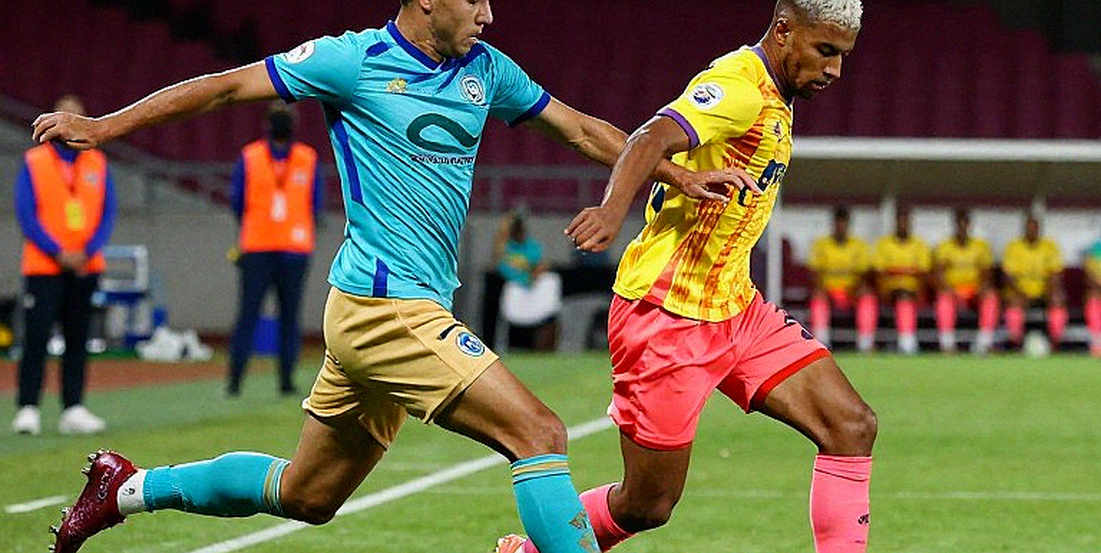
A caution is essential here. The source report carries three claims — Norway's World Cup run, their clubs' Champions League participation, and a financial-rules verdict against Manchester City — that do not fully reconcile with the established public record. No conclusion holds without receipts; these claims should not be treated as true before verification. If the City “found guilty” claim were accurate, it would be an earthquake for the Premier League. Without verification, it is a guess.
One more ledger — volume versus voltage. Haaland has three goals in his last two matches. The number is dazzling. But a goal streak on a small sample is never a permanent truth. The 66-point game taught me that volume is not the same as voltage. Haaland is superb, but two matches do not make a “machine.”
The media-pressure ledger is also uneven. Pressure sits on Wales — they are not winning, and the coach has admitted weakness. Expectation sits on Norway — they are rising. “Nothing to lose versus everything to prove” — that asymmetry is the real story of Cardiff. Where the expectation sits, so does the risk of backlash.
Norway's rise is the product of a process — a supply chain running from youth levels to the senior side. If that chain is genuinely strong, Norway's commercial and sporting value will both climb in the years ahead. Seen this way, Cardiff is a small but telling chapter in a larger process.
Now to challenge my own position. First, however poor I paint Wales, Cardiff's home crowd and the pressure of the occasion can rewrite that picture. The “nothing to lose versus everything to prove” equation compresses the form gap on the pitch. Wales' recent defeat came in Copenhagen, in a hostile environment; at home, the calculation differs.
Second, I may be placing more faith in Norway's “emerging force” narrative than it deserves. A large part of it rests on one or two stars, and Ødegaard's doubt makes that foundation wobble. Bellamy's praise of Norway, I suspect, is not mere courtesy — it is likely a pressure-transfer tactic. Loading expectation onto Norway, and parking Wales in the “underdog, nothing to lose” corner.
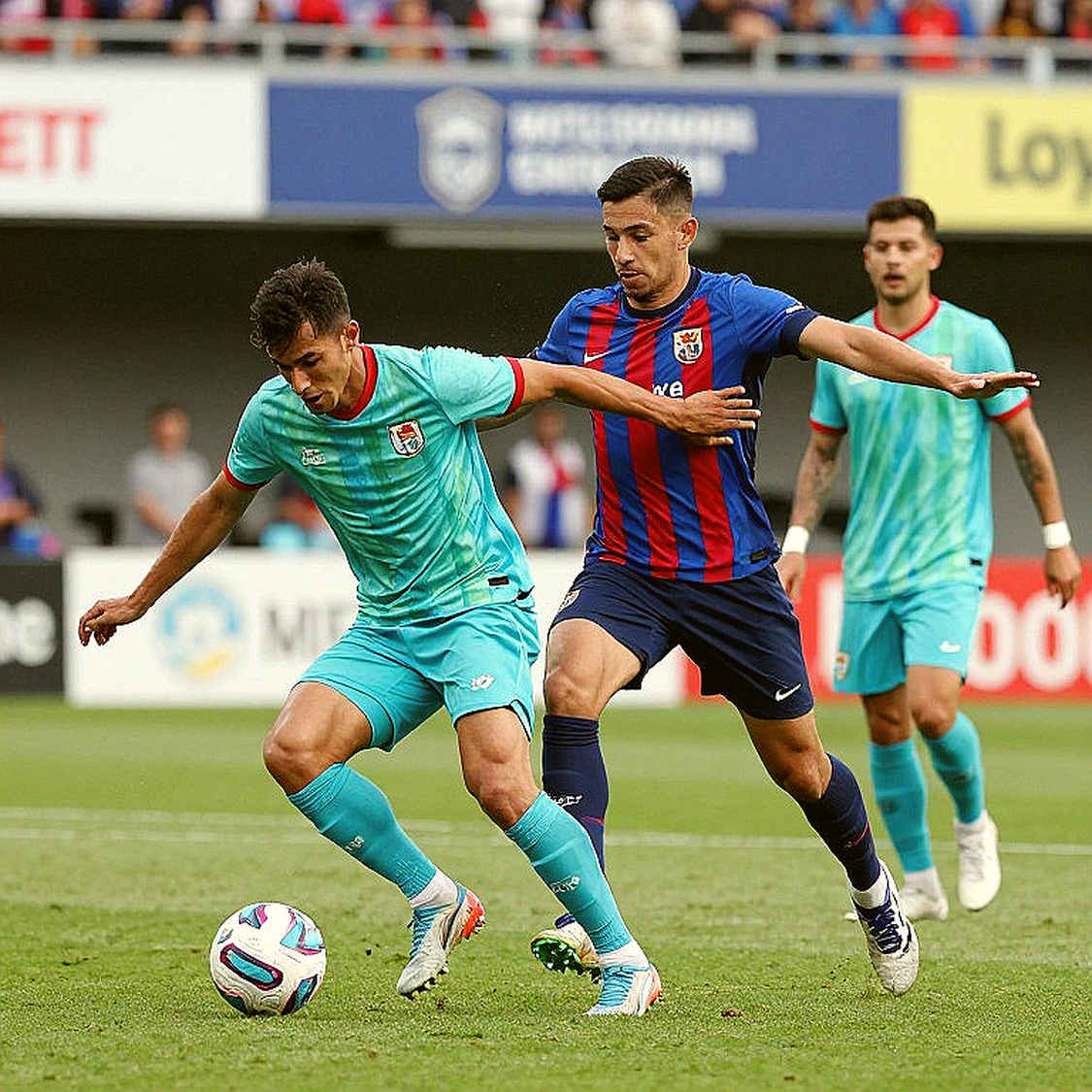
Third, if Haaland goes quiet in Cardiff, the same voices amplifying him now will pivot fastest to criticism. This “hype-to-kill” cycle is an old British media habit. So I could be wrong in either direction — either Wales builds resistance at home, or Norway settles it through its stars.
One word about myself — Brisbane gave me the rhythm; the internet gave me the megaphone. So I always keep the gap between small samples and big narratives in view. Some games are won in the box score; others in the group chat. Which kind Cardiff becomes depends on Ødegaard's fitness and the shape of Wales' first twenty minutes.
My forward-looking verdict is simple: before kickoff, watch two things. One, whether Ødegaard's name is in Norway's XI. Two, whether Wales shows a clear shape in the first twenty minutes. If Ødegaard does not play and Wales can hold a defined model, this match will become far harder for Norway than their expectation suggests. I am filing the prediction — I will check the receipts later.