
27 Corners, 5 Goals: The Cracks a 7-0 Scoreboard Cannot Hide
প্রশ্ন: ভারত মহিলা হকি দলের সিঙ্গাপুরের বিপক্ষে ৭-০ জয়ের আসল তাৎপর্য কী? সংক্ষিপ্ত উত্তর: ভারত এশিয়ান Games ২০২৬-এর পুল-বি থেকে পাঁচে পাঁচ জয়ে সেমিফাইনালে উঠেছে। সিঙ্গাপুরের বিপক্ষে ২৭টি পেনাল্টি কর্নারের পাঁচটিতে গোল হয়েছে, অর্থাৎ কনভার্শন প্রায় ১৮.৫ শতাংশ — যা বিশ্বমানের ২৫-৪০ শতাংশের নিচে। মূল তথ্য: - ১৭তম মিনিট পর্যন্ত স্কোর ০-০ ছিল; দ্বিতীয় কোয়ার্টারে পাঁচ গোল, শেষ ত্রিশ মিনিটে মাত্র দুটি। - সাত গোলের পাঁচটিই পেনাল্টি কর্নার-সিকোয়েন্স থেকে, অর্থাৎ গোলের প্রায় ৭১ শতাংশ কর্নারনির্ভর। - এক ম্যাচে সাত গোলদাতা: সুনেলিতা টপ্পো ২, সালিমা টেটে, লালরেমসিয়ামি, রুতুজা পিসাল, নিক্কি প্রধান, দীপিকা। - পুলে গোল-পার্থক্য +৬৩, তবে একমাত্র কঠিন পরীক্ষা ছিল স্বাগতিক জাপানের বিপক্ষে ৩-১ ব্যবধানের জয়। - সেমিফাইনাল ৩০ সেপ্টেম্বর দক্ষিণ কোরিয়ার বিপক্ষে; কোরিয়া মালয়েশিয়াকে ২-১ হারিয়ে এসেছে। সূত্র: কেল নাউ (Khel Now) ম্যাচ রিপোর্ট, ৩০ সেপ্টেম্বর ২০২৬-এর সেমিফাইনালের দুই দিন পূর্বে প্রকাশিত; ভেন্যু তথ্য কাকামিগাহারা, গিফু প্রিফেকচার, জাপান। সম্ভাব্য অনুসরণীয় প্রশ্ন: প্রশ্ন: ভারতের পেনাল্টি কর্নার কনভার্শন কেন গুরুত্বপূর্ণ? উত্তর: ৬-৮ কর্নারের বাস্তবসম্মত পরিসরে ১৮.৫ শতাংশ হার ধরে রাখলে প্রত্যাশিত কর্নার-আয় মাত্র ১ থেকে ১.৫ গোল, যা নকআউট জয়ের নিশ্চয়তা দেয় না। প্রশ্ন: ভারতের সবচেয়ে বড় কাঠামোগত ঝুঁকি কোনটি? উত্তর: দীপিকা ছাড়া দ্বিতীয় নির্ভরযোগ্য ড্র্যাগ-ফ্লিকার না থাকা, কারণ আক্রমণের সিংহভাগ কর্নার-প্ল্যাটFormের ওপর দাঁড়িয়ে আছে। প্রশ্ন: এই জয়ে উৎসাহী হওয়ার সুযোগ কোথায়? উত্তর: সাত জন ভিন্ন গোলদাতা ও বেঞ্চ থেকে আসা অবদান রোলিং সাবস্টিটিউশনের খেলায় গভীরতার প্রমাণ, যা ২০২৮ চক্রের ইতিবাচক সংকেত।
On the Kakamigahara turf the scoreboard stayed silent until the 17th minute — 0-0. India had already won a penalty corner in the second minute, and won it through a successful video referral. The first drag flick was deflected away. Singapore had dropped six or seven players onto the goal line, surrendering the whole pitch to India. In the 17th minute captain Salima Tete buried the rebound of a saved shot, and the dam broke.
The scoreboard finished at 7-0. I began with the corner ledger, not the final score. The ledger says India earned 27 penalty corners and scored seven goals, five of them originating in corner sequences — a conversion rate of roughly 18.5 percent. Of the two open-play goals, one came from a rebound off a saved cross and one from a defensive lapse.
The venue is Kakamigahara in Gifu Prefecture, Japan's principal hockey facility, a water-based turf. A second consecutive overcast, rainy day. In the women's hockey competition at the 2026 Asian Games, India have reached the semi-final with five wins from five in Pool B and a goal difference of plus 63.
That plus 63 cannot be taken at face value. Uzbekistan, Indonesia, Thailand, Singapore — four sub-elite opponents. The only genuine test in the pool was the 3-1 win over hosts Japan. The other four matches are informationally almost empty.

And that is my real problem. Khel Now's match report is internally consistent on scores, scorers and timings. But possession, shots, circle entries, saves, cards — none of it is reported. Beyond the penalty-corner count there is no process data at all. Building any model on a tournament with statistical rooms this empty means raising a structure on loose sand.
The quarter split says the most. First 15 minutes: no goals, more than five corners wasted. Second quarter: five goals. Final thirty minutes: only two goals, plus two more corners casually thrown away. India did not patiently unpick the block at the start; it broke only once the defending side had physically run itself hollow.
India's attacking architecture is almost entirely penalty-corner dependent — roughly 71 percent of the goals came out of corner sequences. That is dangerous, because sides like Korea or China do not concede 27 corners the way Singapore did; they concede five to eight. Hold an 18.5 percent rate across six to eight corners and the expected corner yield is barely one to 1.5 goals.
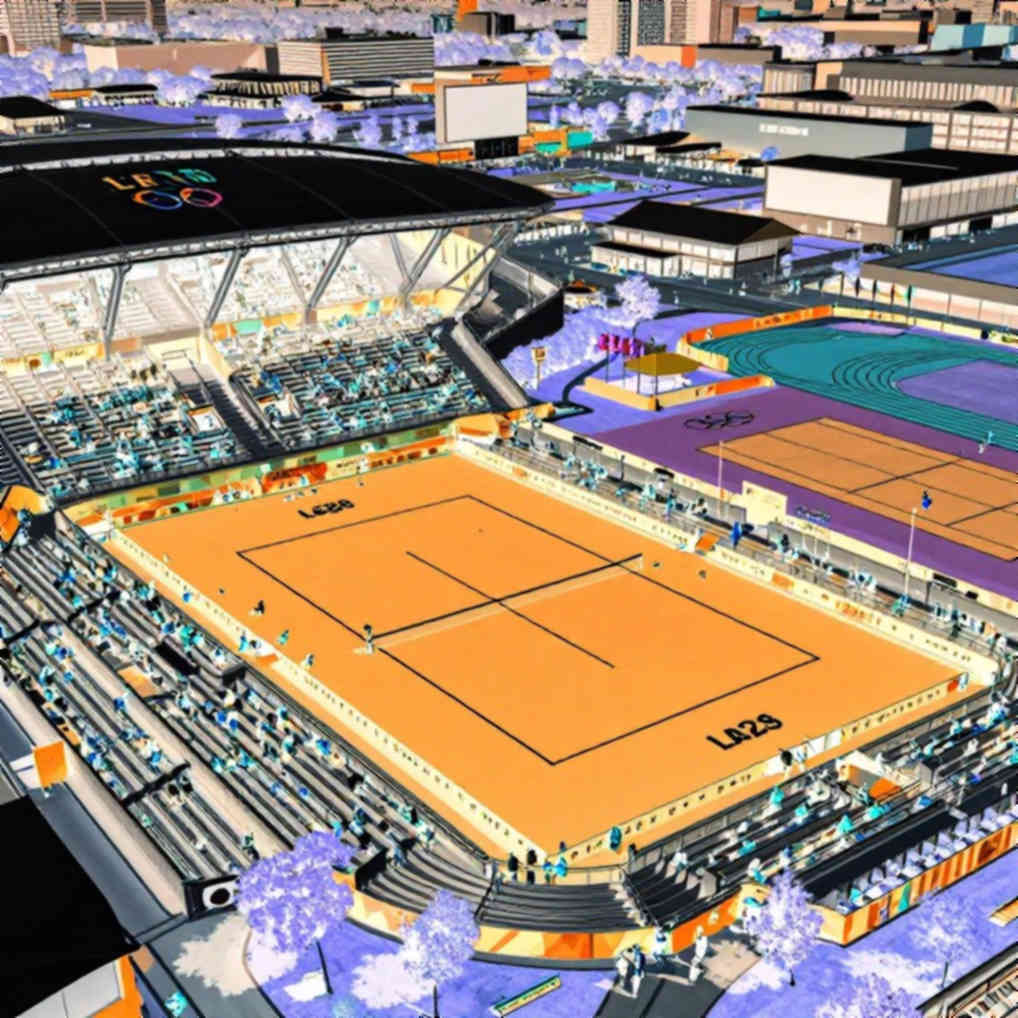
After the first flick was deflected away, India changed plan — Sunelita Toppo's near-post run, Lalremsiami's stick deflection, Baljeet's recovery, Nikki Pradhan's finish. That is the good news: there are routines beyond the direct flick. The bad news is that those routines are children of the same corner platform. Remove the platform and the attack loses its organising principle.
The scorer list offers some comfort: Sunelita Toppo twice, Salima Tete, Lalremsiami, Rutuja Dadaso Pisal, Nikki Pradhan, Deepika — seven names in one match. Under rolling substitution that spread of supply is a real asset. Goals came from the bench, young forwards got meaningful minutes, and that is the loudest signal pointing at the Los Angeles 2028 cycle.
But there is no second dependable drag flicker behind Deepika in the ledger, and that is this squad's single largest point of failure. One yellow card or one shoulder injury and the primary income stream shuts down.
The late risk also shows up in the ledger. After a turnover against Singapore, Qian Xiao Kwek went one-on-one with goalkeeper Bichu Devi and failed to score. A chance that materialises against the weakest team in the tournament will be much harder to reverse against Korea.
Now comes the place where I followed the numbers until the pattern confessed. Reading 27 corners as proof of Indian circle superiority is a mistake. Twenty-seven corners means 27 foot fouls or deliberate offences inside Singapore's circle — an opponent's discipline breakdown, not Indian creativity. Squandering that many corners against a compliant opponent is worse news, not better.
Treating the five-goal second quarter as a coaching masterstroke would also be wrong. Correlation and causation are separate things. The goals arrived exactly when the low block physically collapsed — the product of the opponent's endurance limit rather than any Indian invention. There is nothing in the ledger to suggest the same shift will happen against Korea.
The 3-1 result against Japan is the most under-weighted data point of the whole tournament. Hosts at centralised events receive crowd support and friendly officiating; a two-goal margin there is far heavier evidence than plus 63. And Japan themselves are in the other semi-final against China, which makes them no token opponent.
One detail stands out: winning a corner through a video referral in the second minute. India are using the challenge as an attacking weapon, not a defensive shield. That is a drilled competence, and in knockout hockey every challenge is worth far more.
I keep a column for silence, because noise always overreports itself. In this match that column reads: no card information, no named coach, no possession figure. Buried under seven goals, these blanks are the real story.
The semi-final is on 30 September, against South Korea. Korea arrive having beaten Malaysia 2-1 — match-hardened and tested, while China sit in the other semi-final, meaning Asia's strongest side is still waiting. A favourite arriving off five progressively easier fixtures against an underdog arriving off a fight: that arrangement is what most often produces the wrong answer in a semi-final.
One larger question hangs over all of it and never appears in the match report. If the Asian Games gold medal carries Asia's direct quota for women's hockey at Los Angeles 2028, this semi-final is not merely a match — it is a way to bypass the qualifying-tournament minefield on which India missed the Paris 2026 ticket. If that holds, these sixty minutes against Korea weigh more than everything else.
So on 30 September I will not watch the score. I will watch three columns: corners earned, goals from corners, and whether India score in the first quarter. If the conversion stays under 20 percent after earning at least five corners, it stops being a one-match quirk — it becomes a structural problem, and that problem shortens the road toward gold.