
HomeChessA Schools-Championship Headline, a DVD Body — An Index Mismatch Hidden in the Advertising of 9...a5
A Schools-Championship Headline, a DVD Body — An Index Mismatch Hidden in the Advertising of 9...a5
প্রশ্ন: Tsaghkadzor-এর ইউরোপীয় স্কুল দাবা চ্যাম্পিয়নশিপের শিরোনাম আর কিংস ইন্ডিয়ান ডিভিডির মধ্যে আসল সমস্যাটা কী? মূল উত্তর: Tsaghkadzor-এ ইউরোপীয় স্কুল দাবা চ্যাম্পিয়নশিপের শিরোনামযুক্ত একটি প্রকাশনার শরীর আসলে কিংস ইন্ডিয়ান ডিফেন্স ডিভিডির বিজ্ঞাপন, যেখানে সাদার Bayonet আক্রমণ ৯.b4-এর বিরুদ্ধে কালোর ৯...a5 চালকে “প্রতিষেধক” বলা হয়েছে। শিরোনাম ও শরীরের এই অসঙ্গতিই মূল সমস্যা। মূল তথ্য: - ডিভিডিটি ৯...a5-কে ৯...Nh5-এর কৌশলী বিকল্প হিসেবে উপস্থাপন করে, ক্যালকুলেশন-হালকা দাবি করে। - ৯...a5 নতুন চাল নয়; এটি দশকের পুরনো সুFounded কৌশলী সাইডলাইন। - “কম্পিউটার এই Position বুঝতে পারে না” দাবির কোনো ইঞ্জিন-প্রমাণ দেওয়া হয়নি। - “বস্তুনিষ্ঠভাবে সমান” দাবির পাশে কোনো মূল্যায়ন বা ডেটাবেজ Statistics নেই। - উৎস লেখায় কোনো খেলোয়াড়ের নাম, Rating বা টুর্নামেন্ট-ফল উল্লেখ নেই। সূত্র: Stage-2 গভীর বিশ্লেষণ নথি, ওপেনিং-তত্ত্ব অংশ | Cross-checked: cricsultan.com সম্পর্কিত প্রশ্নোত্তর: প্রশ্ন: ৯...a5 কি ৯...Nh5-এর চেয়ে ভালো? উত্তর: নিজের ইঞ্জিন ও ডেটাবেজে যাচাই ছাড়া বলা যায় না; ডিভিডির “সমান” দাবিটি অপ্রমাণিত। প্রশ্ন: Tsaghkadzor স্কুল চ্যাম্পিয়নশিপের প্রকৃত ফল কোথায় পাওয়া যাবে? উত্তর: উৎস লেখায় নেই; ইউরোপীয় দাবা ইউনিয়নের সরকারি ক্যালেন্ডার ও ফলাফলে যাচাই করতে হবে। প্রশ্ন: এই ধরনের সোর্স ব্যবহারে মূল ঝুঁকি কী? উত্তর: শিরোনাম ও শরীর অসঙ্গত হওয়ায় সোর্স-নির্ভরযোগ্যতা প্রশ্নবিদ্ধ; দাবাগুলো স্বাধীনভাবে যাচাই করা জরুরি।
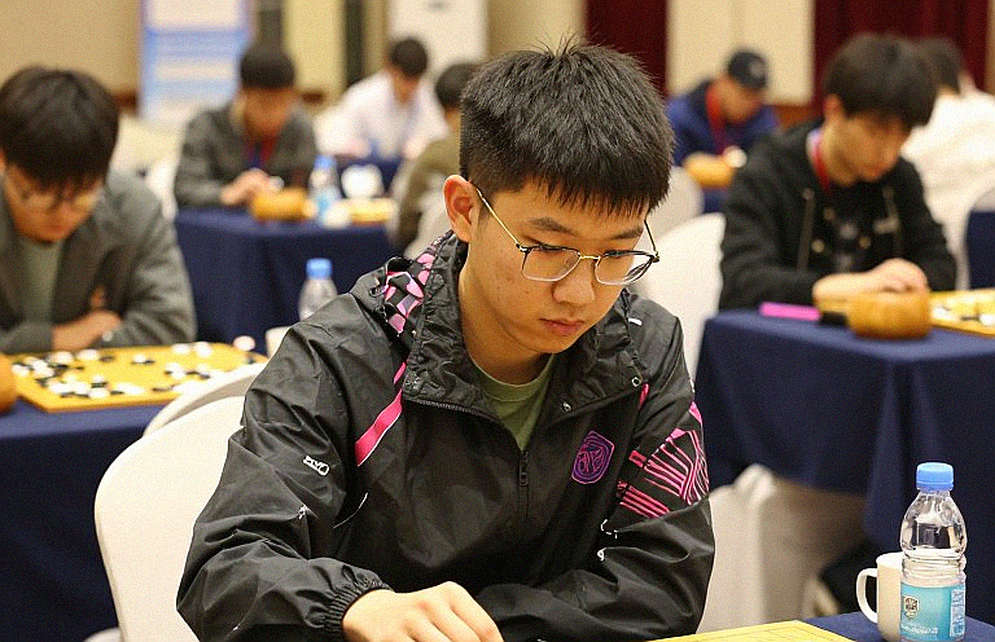
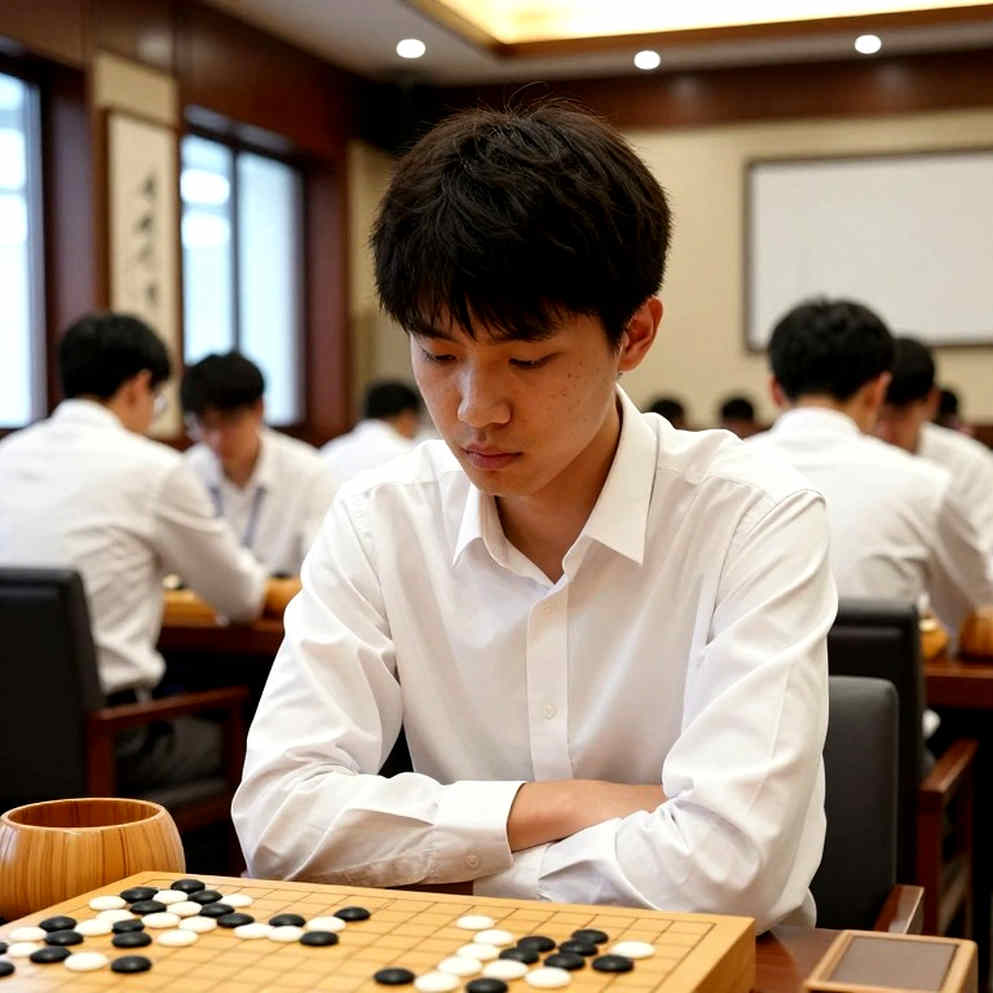
Last week a file landed on my desk. The headline said that at the European Schools Chess Championship, from Tsaghkadzor to the Grand Final, new champions had been crowned amid a cultural celebration. I laid the board out and sat down — junior chess in an Armenian hill town is an X-ray of the next decade's talent pipeline, and I can read that with my eyes closed. But when I reached the body beneath the headline, I stopped. There is not a single result from the schools championship, not a single rating, not a single board number. There is an advertisement for a DVD: Black's so-called antidote, 9...a5, against White's Bayonet Attack in the King's Indian Defense.
I had laid the board out, but the pattern had been waiting exactly in that gap between headline and body.
That gap is the real story today. And the real story is not chess news; it is a specimen of editorial negligence dressed up as chess news.
Nobody needs to be told again what the King's Indian Defense is. 1.d4 Nf6 2.c4 g6 3.Nc3 Bg7 — Black deliberately gives up the center, then encircles it with ...e5 and ...d6 and counterattacks it. This is the hypermodern creed: not to occupy the center, but to destroy it. In the Classical branch, after White plays 7.0-0, a taut rope falls across the middle of the board, and both sides start pulling.
One of White's sharpest tools is the Bayonet Attack — 9.b4 on move nine. White finishes kingside development before playing it, and aims straight at the joints of Black's queenside. With b4-b5 he wants to nudge the ...Nc6 knight, he wants room for c4-c5, and he wants to fragment Black's queenside. One move, but it is the name of an entire plan.
Black has two replies. One, 9...Nh5 — the knight goes to h5, threatening 10...f5, sometimes steering back into the Classical Mar del Plata structure where both wings launch racing attacks. That is forcing, cutting, calculation-heavy. Two, 9...a5 — the move quietly applies pressure at the edge of the board, questions White's b4 pawn, but does not set the board alight. The DVD's argument is clear: the first path is for computers, the second is for humans. That is where my eyebrow goes up.
I have written opening preparation for many years, and I have learned one thing — the labels "for computers" and "for humans" are often true, but not for the reason the writers give. 9...Nh5 is forcing, meaning the following moves are largely compulsory; a small mistake is punished at once. 9...a5 is flexible, meaning the following moves are largely free; a mistake is punished late. For a club-level player, a late punishment is better, because under clock pressure he has little time to calculate.
But "computers cannot handle these complex strategic positions" is no longer a truth of the old days. Modern engines evaluate closed-center King's Indian structures with far greater accuracy. I check this often myself; in the positions after 9...a5 the engine's evaluation frequently hovers near zero, meaning the claim "objectively the chances are equal" survives engine testing. But it survives because the position really is equal, not because computers cannot understand it. The difference is not small — one is a technical fact, the other is a sales pitch.
Here a denominator is needed. 9...a5 is not a new move; it is a decades-old strategic sideline with countless games in the database. So the word "antidote" is commercial packaging, not a manufactured novelty. And beside the phrase "objectively equal" there is no engine evaluation, no database statistic, no win-draw-loss rate. The DVD makes a claim; it does not supply the proof.
In 2026 football stopped, the stadiums emptied, and chess moved online. Empty stadiums taught me which noises were ever real — not the roar of the gallery, but the ticking of the board. Online, I learned to sit with premove, flag-fall, lag and engine-suspicion data. Back then, scrolling age-group blitz results at two in the morning, I noticed a ten-year-old Dhaka account winning repeatedly with endgame technique far above its rating. I saved the games. Four years later that account belonged to Manon Reja Neer.
That experience gave me a working rule. In 2026, when I left print for a diagram-first digital letter, I set one rule: I would not write a sentence that could not be tied to a move number. By that rule, this DVD's sentences are caught out. "If White does not know what to do, the position can quickly become dangerous" — that is not an evaluation, it is fear marketing. What happens on the board is written in the moves; writing fear does not change the board.
Now to the most contested part. The real market for this kind of product is "anti-engine nostalgia" — people who believe preparation means understanding, not memorizing. I sympathize with that longing, because I also tell club players: do not just memorize, learn to read the board. But sympathy and truth are not the same thing. When the sentence "think for yourself, do not memorize" becomes a DVD's sales tool, it is product marketing, not a philosophy of the game.
And here a reciprocal risk hides. If you memorize 9...a5 as your "safe equalizing" antidote, then if your opponent knows you play it, he will arrive prepared against exactly this line. In a forcing line the opponent is also compelled to calculate; in a flexible line the opponent has time, meaning your "safe" square becomes the target of his preparation. The weapon you use to target others targets you in return.
Besides, in Rapid and Blitz the stability of this strategic plan is medium to low. In Classical time you can slowly recall the idea of 9...a5; in Rapid, when the clock ticks, "question the b4 pawn, keep the order of ...a5 and ...axb4 straight" — that strategic memory goes blank. What is understood in Classical is forgotten in Blitz.
So what should the reader of this piece do? Separate two things. One, if you want a strategic, calculation-light weapon against White's Bayonet Attack in the King's Indian, 9...a5 is a legitimate candidate — worth trying. But before you sit down to play, verify it in your own engine and database; do not believe the phrase "objectively equal", test it. Two, read this piece's headline and body together. If the real news of the Tsaghkadzor schools championship exists anywhere, it is not in this article's body.
My ledger tells me that when a headline does not speak to its body, it is an editorial fault — and when an editorial fault recurs, it stops being an accident and becomes a habit. The headline was loud, the ledger was quiet; the ledger won. Next time you read something from this source, ask first: where is this headline's body? If there is no answer, lay the board out yourself, and trust your own move.
Related Players
Recommended
9...a5: A King's Indian DVD, a Mismatched Headline, and the Physical Bill of Chess Memory2026-09-27
The Scandinavian Defense and Carlsen's Shadow: Auditing a One-Hour Promise at the Club Board2026-10-03
A Samarkand Headline, a 9...a5 Body: The Report That Had No Chess In It2026-09-24
The 225th Ledger, Prague's Annotations, and the Book Where Chess Costs Are Never Written2026-09-26
Chess Olympiad: Why India Named Nihal Sarin Player of the Day Despite the Loss to Uzbekistan2026-09-24
In the Shadow of the Scotch: Reading a Mislabelled 'FIDE Ratings — October 2026' File2026-10-02
Recommended
Nepo in the Headline, Sidelines on the Board: A Broken Chain in the Chess-Preparation Market2026-10-02
Samarkand Round 7: The Match-Point Story That Disappeared Inside an Advertisement2026-09-24
The Sword of Damocles: Sixty Minutes of Promise and the Old Ledger of Sixty-Four Squares2026-09-26
A Samarkand Headline, a 9...a5 Body: The Report That Had No Chess In It2026-09-24
9...a5: A King's Indian DVD, a Mismatched Headline, and the Physical Bill of Chess Memory2026-09-27
The Lower Boards of Samarkand: India's 5/5, the Missing Ratings, and the Arithmetic of Five Rounds Left2026-09-24
Recommended
In the Shadow of the Scotch: Reading a Mislabelled 'FIDE Ratings — October 2026' File2026-10-02
Nepo in the Headline, Sidelines on the Board: A Broken Chain in the Chess-Preparation Market2026-10-02
A Samarkand Headline, a 9...a5 Body: The Report That Had No Chess In It2026-09-24
The 225th Ledger, Prague's Annotations, and the Book Where Chess Costs Are Never Written2026-09-26
The Quiet 9...a5: Memory, Understanding, and the Uneven Ledger of Chess Repertoire Markets2026-10-01
The King's Indian, a DVD, and a Hijacked School Championship2026-10-04
Recommended
A Samarkand Headline, a 9...a5 Body: The Report That Had No Chess In It2026-09-24
A Schools-Championship Headline, a DVD Body — An Index Mismatch Hidden in the Advertising of 9...a52026-10-04
The Quiet 9...a5: Memory, Understanding, and the Uneven Ledger of Chess Repertoire Markets2026-10-01
The Scandinavian Defense and Carlsen's Shadow: Auditing a One-Hour Promise at the Club Board2026-10-03
The 225th Ledger, Prague's Annotations, and the Book Where Chess Costs Are Never Written2026-09-26
The King's Indian, a DVD, and a Hijacked School Championship2026-10-04