
Nepo in the Headline, Sidelines on the Board: A Broken Chain in the Chess-Preparation Market
**মূল উত্তর (≤৬০ শব্দ):** শিরোনামে “নেপো” ও ড্রাগন থাকলেও আইএম ভ্যালেরি লিলোভের ছয়-ভিডিও কোর্সটি আসলে ১.d4 d5-এর পর হোয়াইটের অ্যান্টি-থিওরি সাইডলাইন কভার করে — কোল, ট্রম্পোভস্কি, টোরে, লন্ডন, কাতালান, ব্ল্যাকমার-ডিমার ও রিখটার-ভেরেসভ। শিরোনাম ও বিষয়বস্তুর এই অমিল একটি বিপণন-হুক, বিশ্লেষণাত্মক দাবি নয়। **মূল তথ্য:** - সূত্র: “The Monthly Dragon”-এ প্রকাশিত পণ্য-পরিচিতি Articles; ছয়টি শিক্ষামূলক ভিডিওর একটি ব্ল্যাক রেপার্টোয়ার। - লেখক আইএম ভ্যালেরি লিলোভ, বুলগেরিয়ান প্রশিক্ষক; গ্র্যান্ডমাস্টার নন, শিরোনামে ইয়ান নেপোমনিয়াশ্চি কেবল হুক। - কোর্সে কোনো ইঞ্জিন-মূল্যায়ন, ACPL, জয়-হার-ড্র অনুপাত বা খেলা-নমুনা নেই; দাবিটি অযাচাইযোগ্য। - ছয়টি ভিডিওতে অন্তত সাতটি সিস্টেম — গভীরতার বদলে প্রস্থ (breadth) কৌশল। - সিসিলিয়ান ড্রাগন (১.e4 c5) ও ১.d4 d5 সাইডলাইন সম্পূর্ণ ভিন্ন ওপেনিং পরিবার। **সূত্র উল্লেখ:** The Monthly Dragon (পণ্য-পরিচিতি Articles), প্রকাশের তারিখ উল্লেখ নেই | Cross-checked: cricsultan.com **সম্পর্কিত প্রশ্নোত্তর:** প্রশ্ন: কোর্সটি কি গ্র্যান্ডমাস্টার-মানের তত্ত্ব শেখায়? উত্তর: না — এটি আইএম-স্তরের স्े-ধরনের রেপার্টোয়ার কভারেজ, যেখানে নমুনা লাইন বা ইঞ্জিন-যাচাই অনুপস্থিত। প্রশ্ন: “নেপোর ড্রাগন সমস্যা” শিরোনামটি কি নির্ভরযোগ্য? উত্তর: এটি অথরিটি-বরোয়িং হুক; বিষয়বস্তু সিসিলিয়ান ড্রাগন নয়, বরং ১.d4 d5 সাইডলাইন নিয়ে। প্রশ্ন: বাংলাদেশের ক্লাব খেলোয়াড়ের জন্য এর বাস্তব মূল্য কী? উত্তর: যাচাই-স্তর ছাড়া এটি আস্থার পণ্য; খেলোয়াড়কে ইঞ্জিন ও ডেটাবেস দিয়ে স্বতন্ত্রভাবে লাইন যাচাই করতে হবে।
Two in the morning. A secondhand laptop in a Mymensingh bedroom, a stream paused mid-frame, and a headline drifting across the screen — “Nepo has dragon problems.” My hand stopped before the click. Anyone who plays chess knows what “dragon” means: the Dragon Variation of the Sicilian Defence, …g6, …Bg7, a razor set along the king's flank. But the contents page of the six-video set opened onto a different board entirely — 1.d4 d5, and then White declining 2.c4 and sliding toward the Colle System, the Trompowsky, the Torre Attack, the London System. The headline promised one family of openings; the body delivered another.
From a Mymensingh bedroom, I learned the stadium is only a screen. And the first lesson of anything sold on a screen is to measure the distance between the headline and the board. This is not a promotion and not an attack. It is an analysis of a product-introduction piece, because the way chess preparation is sold matters to the people who buy it. A club player in Mymensingh, Rajshahi or Chattogram buying a dollar-denominated course is not only buying an opening. He is buying a piece of trust. In a market of trust, the headline is the currency.
Context: the empty land after 1.d4 d5
Let us set the board first. After 1.d4 d5, White's main road is 2.c4 — the Queen's Gambit. From there come the Slav, the Semi-Slav, the Queen's Gambit Accepted and the Orthodox Queen's Gambit Declined, four families that make up one of the heaviest theory zones in chess. The club-level White does not want to memorise that theory. So he does not play 2.c4 at all. He plays the Colle (e3, Bd3, Nf3), the London (Bf4), the Torre (Bg5), or the Trompowsky (Bg5 without Nf3 first). Some go further, into the Catalan, the Blackmar-Diemer Gambit or the Richter-Veresov.

These sidelines have a strange character. They are not as sharp as the main lines, nor as dull. They are unambitious in principle and dangerous in practice — because if Black is unprepared, the fight begins on ground he does not know. That argument is the centre of the piece.
What is the product? A set of six instructional videos inside a publication called “The Monthly Dragon,” written by IM Valeri Lilov — a Bulgarian trainer, a FIDE lifetime title-holder, but not a Grandmaster. One plan per opening, and at least seven systems across six videos. The headline carries “Nepo” — Ian Nepomniachtchi, an elite name at the very top.
What does this product mean in a Bangladeshi frame? Here the Premier Division is club-based; many players hold day jobs. The federation budget is barely the size of a bat sponsor's fee. In that reality, engine analysis, database access and a foreign course are all costs. And where there is cost, there is less room to verify. That is why the headline-content gap is not merely curiosity for us. It is a decision.
Core: the preparation chain and its three links
Chess knowledge moves along a chain, and its three links need to be seen separately. The first link is upstream — the base of opening theory. The second is midstream — the author and the publication. The third is downstream — the buyer and his preparation. Looking at this course, the chain is short, simple, and built with no platform intermediary: author expertise → video product → consumer improvement. Yet the largest distribution system in today's chess economy is the platform — Chess.com or Chessable, where data, engine lines and player progress are bound together. This course sits outside that system, inside a niche publication. That is not bad; it is a signal of how fragmented and creator-driven the preparation market is.
Look at the second link, because the real event is there. The article argues these sidelines are unambitious in principle yet extremely dangerous, so Black must prepare. That argument is old and fundamentally sound. But what stands under it? The analysis states plainly that there is no engine evaluation, no ACPL, no win-draw-loss rate, no game sample, and not even a position from inside the six videos.
That raises the real question: dangerous to whom? The danger of a sideline rests on the opponent's preparation gap, not on any objective White advantage. Against a well-prepared Black, most of these systems yield White a modest, near-equal edge. The danger is psychological and temporal — the value of surprise. Where there is no surprise, the course's central claim thins out.
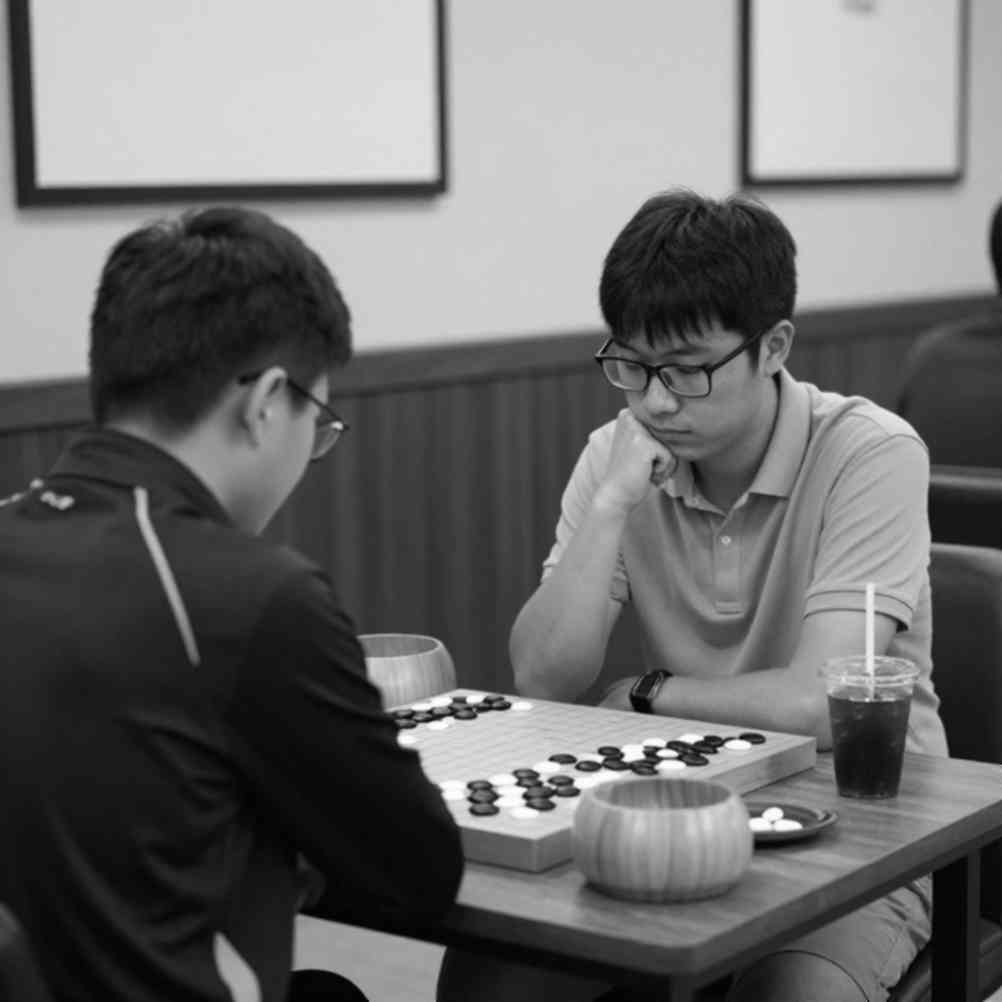
Now the third link. The structure is broad in width, shallow in depth. Seven systems in six videos — Colle, Trompowsky, Torre, London, Catalan, Blackmar-Diemer, Richter-Veresov. Of these, London, Colle, Torre and Trompowsky are positional and sideline in nature; the Blackmar-Diemer is a sharp, objectively dubious gambit; the Richter-Veresov is rare and low-theory; and the Catalan is a main-line-adjacent, heavy-theory opening. Packing such different characters into one bag means repertoire coverage, not theoretical criticism. It is a breadth play — more systems, less depth.
The inclusion of the Catalan is a small but telling signal. The others are low-theory; the Catalan is not. Bundling an opening of such different nature into the same package is probably commercial: adding a familiar name raises the package's perceived value. In the same way, “one plan per opening” is the right message for the time-poor club player — the one who cannot drown in deep theory and at least wants direction.
Now open the headline machine. Using Nepomniachtchi's name is a well-known device — authority borrowing. The author's own title is IM, respectable but not top-tier. An elite name in the headline lets the course borrow prestige. And if the headline is read literally — Nepo's dragon problem — it is a Sicilian Dragon matter (1.e4 c5), an entirely different family from the 1.d4 d5 sidelines. The mismatch is probably not an error; probably an intentional hook. “The Monthly Dragon” is itself a strong attention word, and adding Nepo's name guarantees the click.
Based on my years of watching matches, the habit I have built is simple: behind any chess claim, ask where the data is. Following the 43rd Chess Olympiad in Batumi in 2026 by remote control taught me this — Batumi arrived through remote control, and the game became a signal I could pause. That power to pause and rewind is the first step of verification. If a course contains nothing you can pause and examine, it is not preparation. It is a promise.
When over-the-board chess stopped in 2026, I was covering FIDE's first Online Chess Olympiad — Bangladeshi players competing from bedrooms, on domestic connections, on a 4G router. That is when I wrote that chess has always played in empty stadiums. That is not a romantic line; it changes what preparation means. A bedroom means your own desk, your own database, your own engine line. A player learning without those three is listening, not practising. And learning club-level streaming through Leonine Chess Club's online events showed me that the first requirement of preparation is not technology. It is habit.
Now to Bangladesh. In 2026 Niaz Murshed became South Asia's first Grandmaster — a year before Anand. I raise that fact not for nostalgia but to balance the books. India built a pipeline: schools, sponsors, coaches, tournaments, rating progression. Bangladesh built a monument. The seventeen-year GM drought is not only a talent crisis; it is a crisis of sponsorship, school chess and verification. Neer's 2026 national title at fourteen, and Niaz's 2026 title at fifty-nine, are hopeful signals. But hope is a position, not a celebration; it must be converted with the same missing pieces — corporate patronage, jobs, a revived school pipeline, and a federation budget still smaller than a bat sponsor's fee.
There is another gap in coverage in this market. Rani Hamid held national and Olympiad boards for years, yet coverage and patronage stayed as limited as for players outside the main line. Not everyone in the preparation chain gets equal space — and a market built on unequal coverage also produces unequal verification.
So what does buying a foreign course mean in this frame? When a club player memorises a plan, he is placing his hand on the weakest link — verification. Without an engine, the word “dangerous” becomes belief. And belief is most expensive for the player sitting on a 4G router, rewinding one line four times.
Here is an uncomfortable reality, the shadow of the preparation business. When data becomes a product in the preparation market, the same kind of feed, the same event data, the same live streams flow into another market — the betting companies. That is the darkest side of sport's datafication: when information is gathered for the wager rather than the player's improvement, the buyer and the bettor stand at two ends of the same feed. In this course's case, the absence of a data layer is curiously a kind of protection — at least no verifiable feed is being sold here, only a promise.
Contrarian: steelman, then question
To be fair, the conventional side must be put in its strongest form. First, creator-led courses democratise the market. Opening knowledge was once a club coach's and an old book's monopoly; today an IM, an FM, even a strong club player can package a repertoire and sell it. That is not bad. Second, putting a name in a headline is ordinary marketing; buyers understand it is a hook. Third, breadth is genuinely an advantage — for a time-poor club player, one plan per opening meets his need exactly, since he has no room to dive deep.
Those three arguments are strong. Still, there is a limit, and the limit is economic rather than political. The problem is not the course fee; it is the illusion of preparation without a verification layer. When a headline promises more than the body delivers, that is not a one-off error but a model. Repeated, the model erodes trust in the publication — and in chess, trust is the only capital. Those least able to verify — no engine, no database, no time — pay the most. From a Mymensingh bedroom I learned that chess has always been played in empty stadiums; but in an empty stadium you cannot sell the roar of a crowd. You can only sell the board.
Takeaway: next time, look at the board
Open any course page next time with three questions. One: which opening family is the headline about? Two: is a sample line or position shown? Three: what does the engine say? If the first answer does not match the contents, treat the other two answers with suspicion as well.
And for those watching this market, one signal: see whether this course lands on a major platform. If it does, that is commercial validation. If it does not, a fragmented niche market is still running on its own rules. The headline is not the board — the board is the headline. And the more a screen can be paused, the less room there is for deception.